West Wales · Ceredigion
Aberporth and the Cardigan Bay coast
One of the finest stretches of the Welsh coastline – sandy beaches, the Ceredigion coastal path, and dolphins close to shore.
The village
A genuine, unhurried piece of Welsh coast
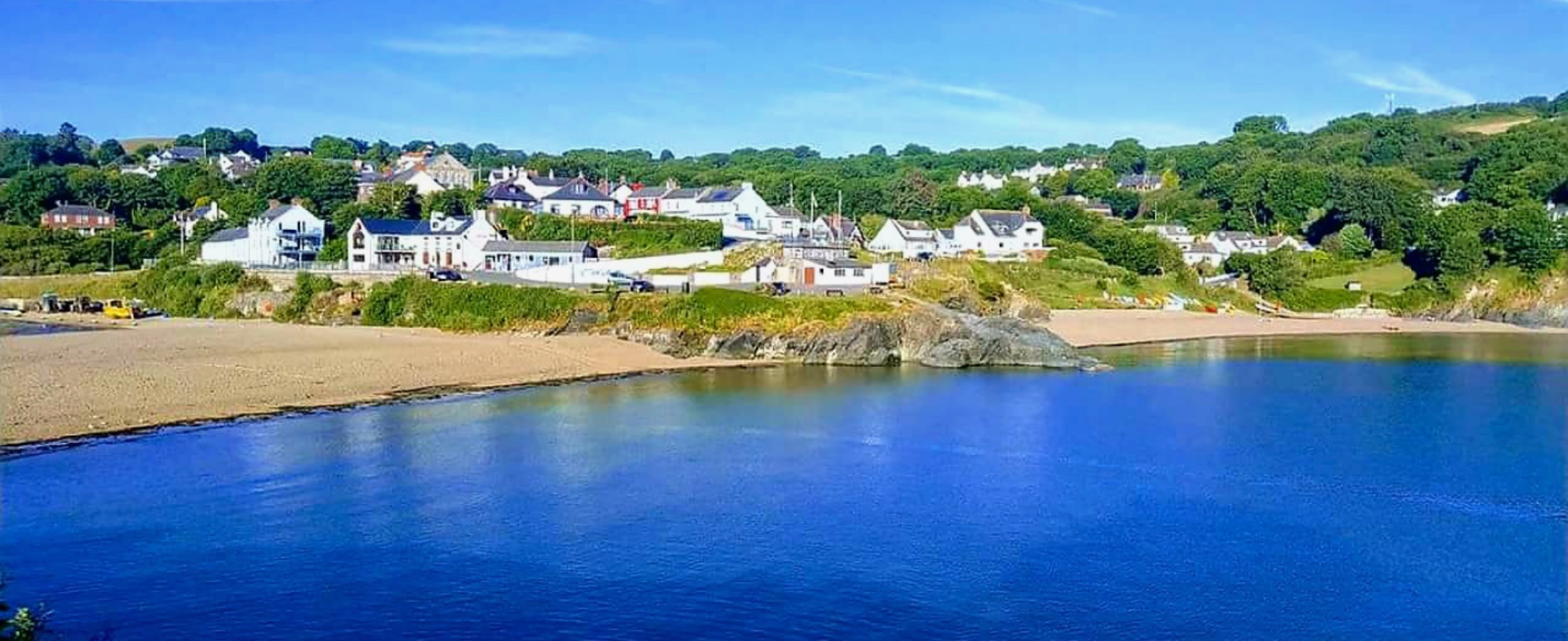
Aberporth is a small seaside village in Ceredigion, on the Cardigan Bay coast of West Wales. It’s defined by two things: a sheltered, sandy beach in the centre of the village, and the Ceredigion coastal path, which sets off in either direction from above the bay.
It’s not a resort. There are no funfairs and no big-name attractions. What there is, in abundance, is a working coastline – fishermen, seal-watching boats, dolphin sightings from the cliffs, and a small handful of pubs and cafés that look out over the water.
The beach
Sandy, sheltered, family-friendly
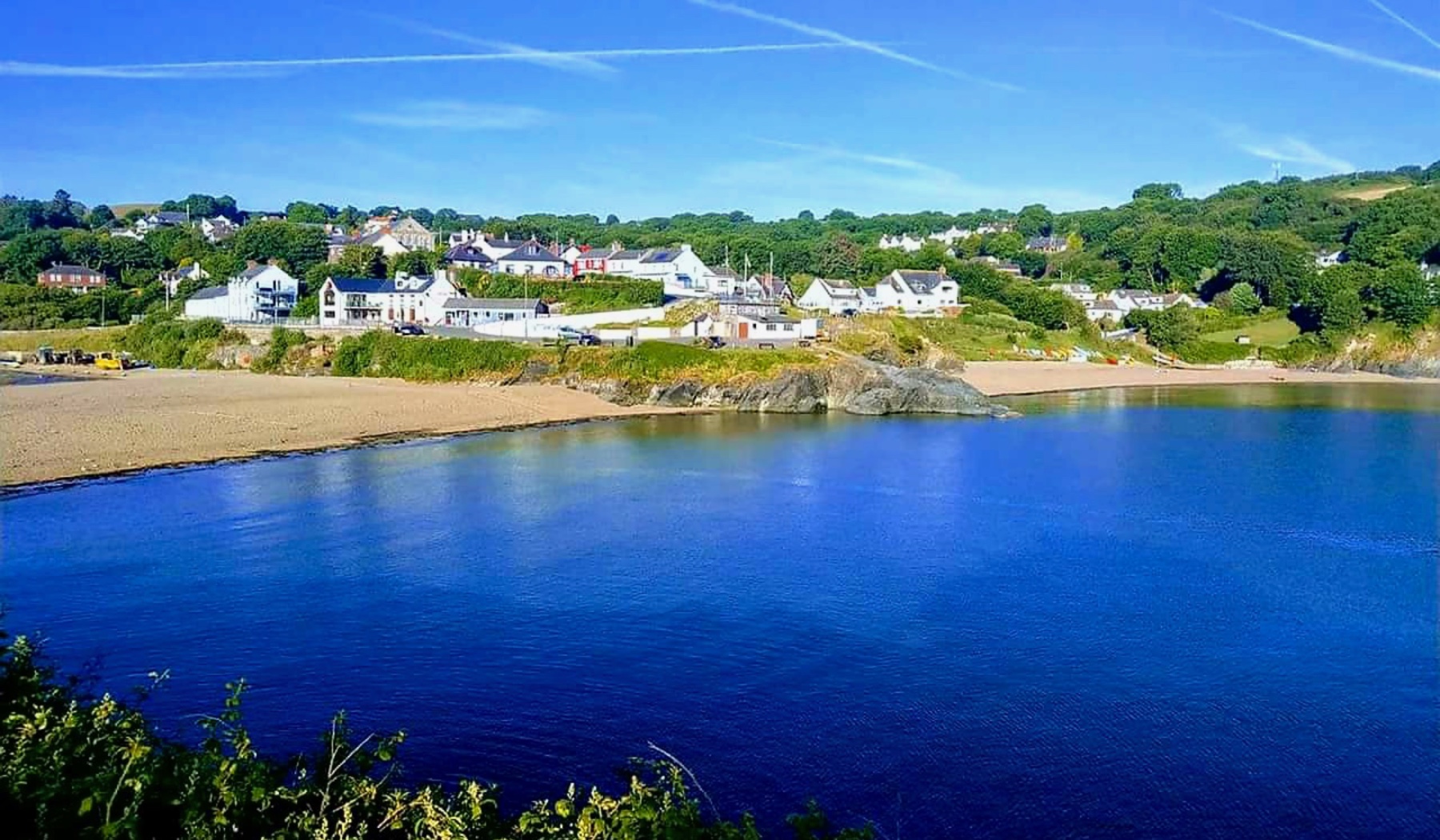
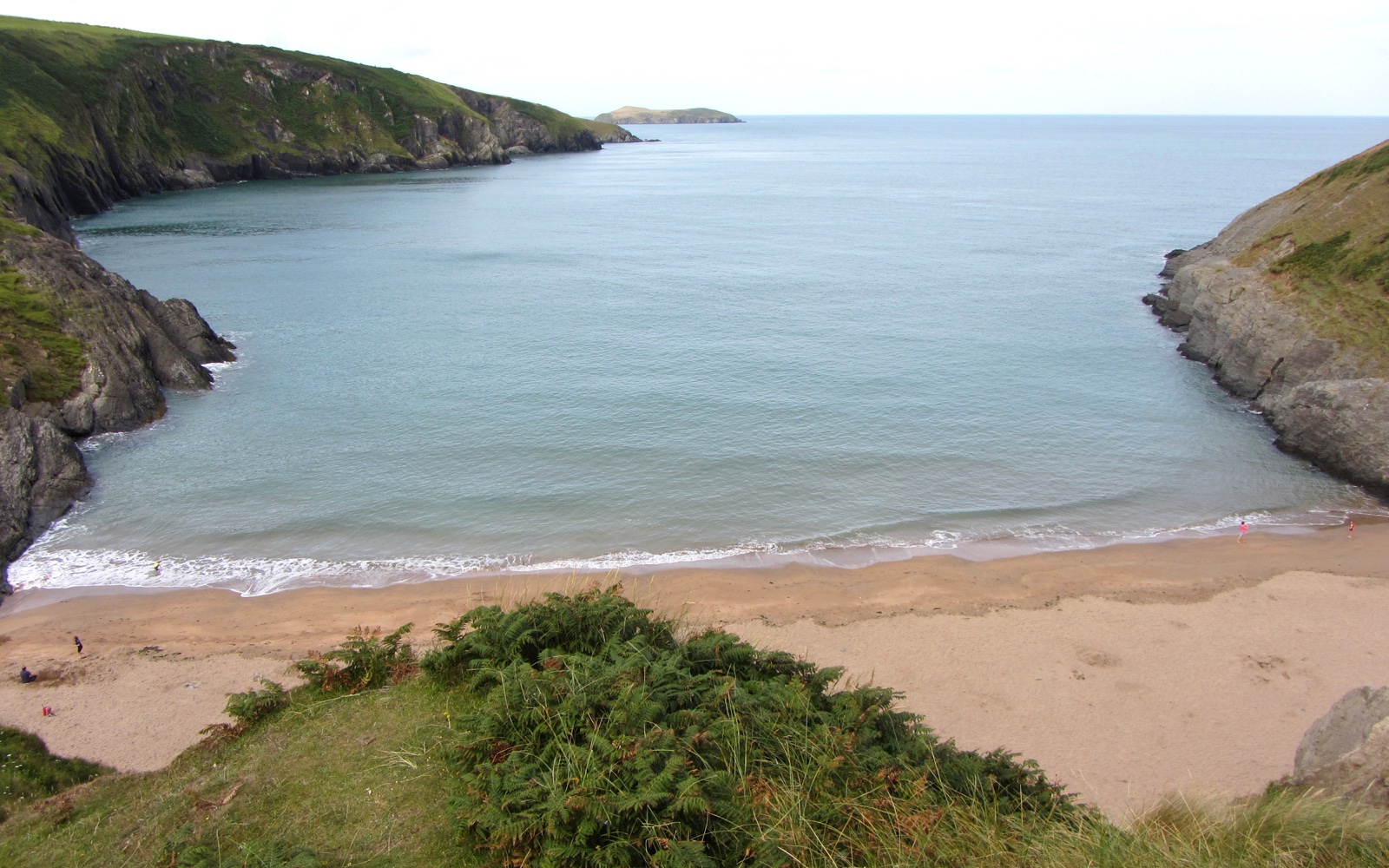
The main Aberporth beach is a sheltered crescent of sand at the heart of the village. At low tide it opens up substantially, exposing rock pools that keep children occupied for hours. The water is shallow at the edges and deepens gradually – comfortable for paddling, swimming, and small-boat launching.
Walking the coast
The Ceredigion coastal path on your doorstep
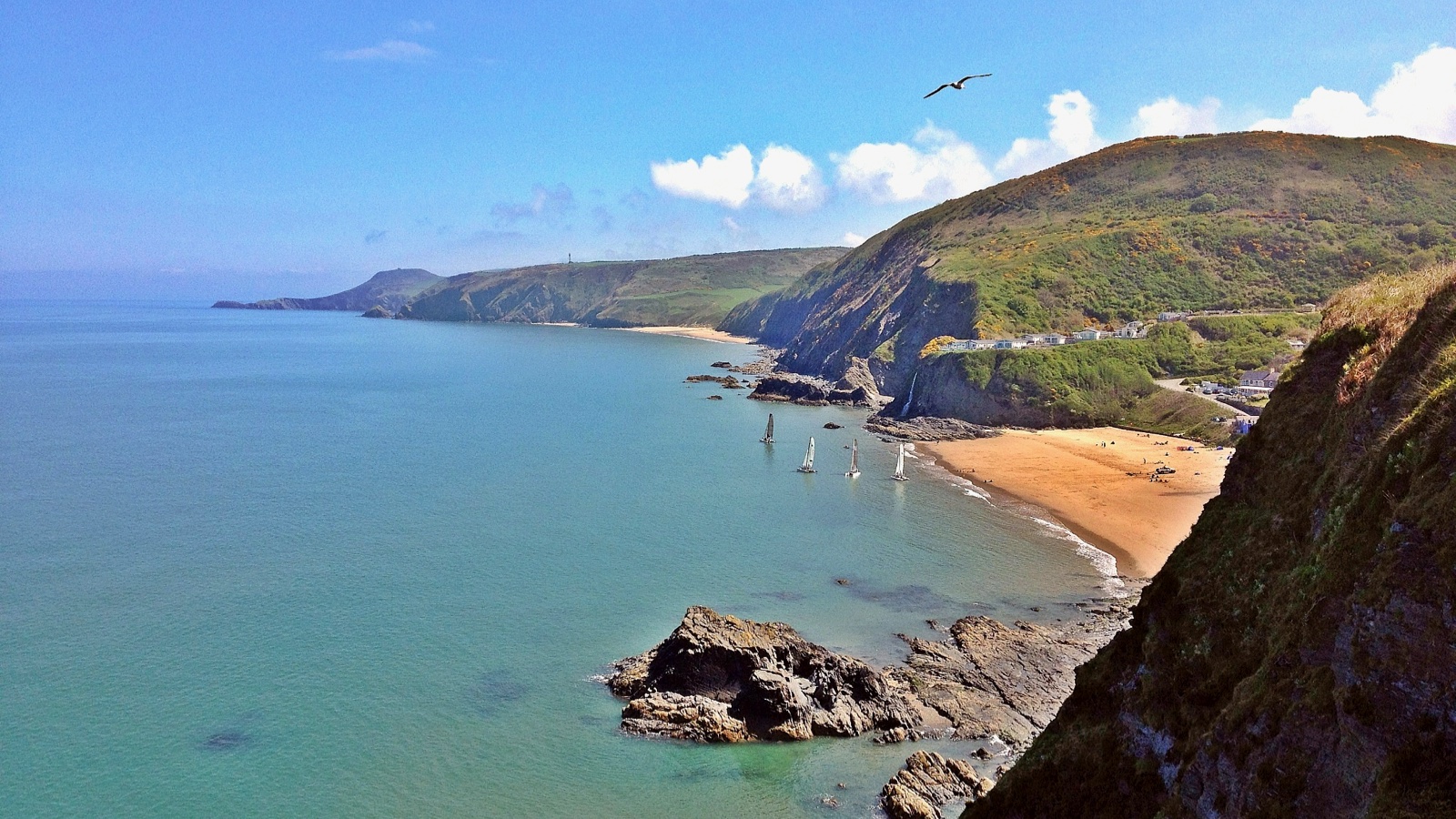
The Wales Coast Path runs the entire length of the country, and the section through Ceredigion is one of its quieter and more dramatic stretches. From The Old Post Office you can join the path at the top of the village and head north towards Tresaith and Penbryn, or south towards Mwnt and Cardigan Island – all within easy day-walk reach.
Wildlife
Dolphins, seals, and red kites
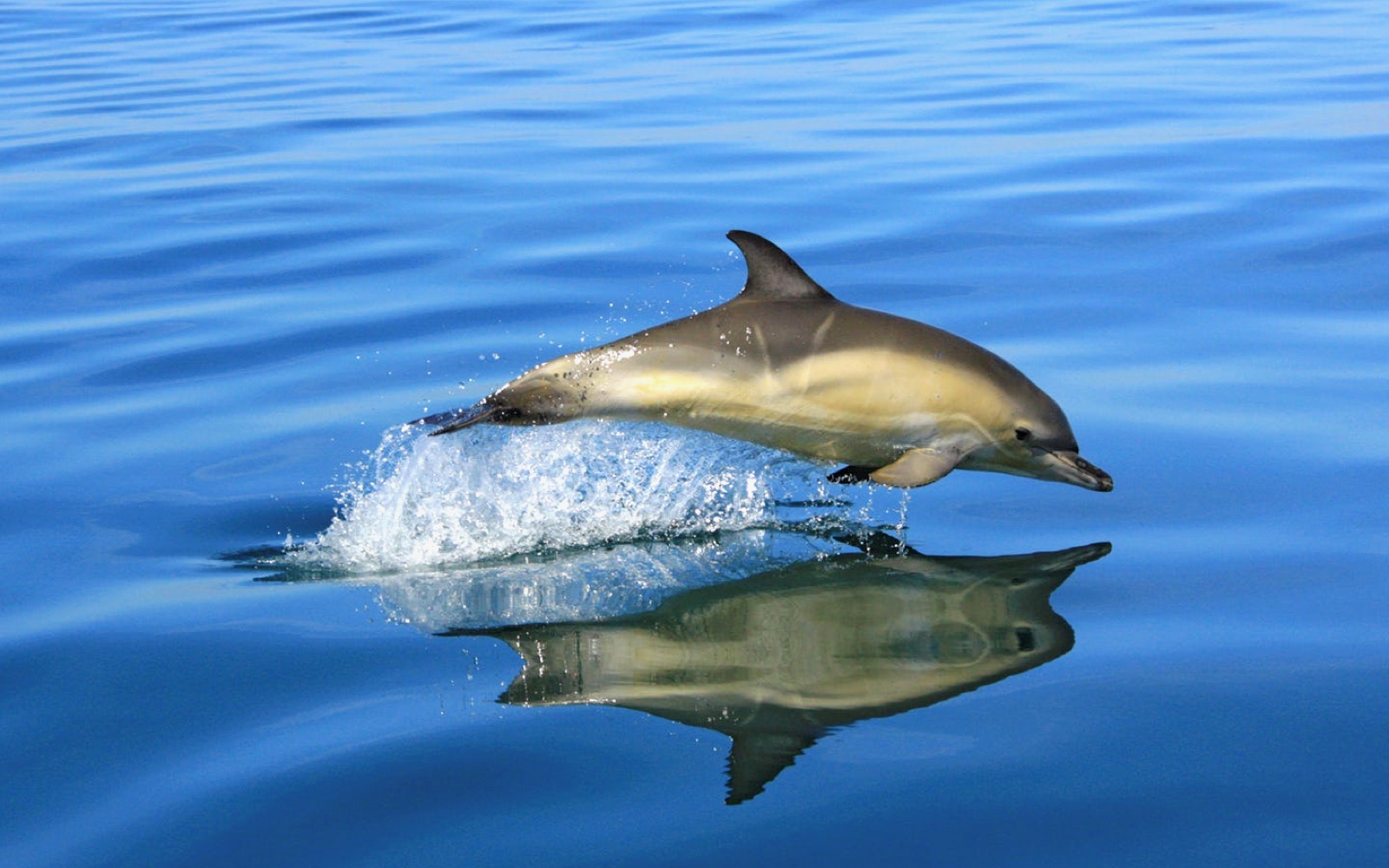
Cardigan Bay has the largest resident population of bottlenose dolphins in the UK. They’re regularly visible from the shore at Aberporth, particularly from the cliffs above the village or – if you’re staying with us – from the balconies of Penny Red and Two Penny Blue. Grey seals haul out on quieter beaches further down the coast, and red kites are now common overhead inland.
Eating out
Local pubs, fresh seafood, and farm shops
Aberporth and the surrounding villages have a strong run of independent pubs, cafés, and food producers. Standout names change from season to season – ask us when you arrive – but the general picture is fresh local seafood, excellent Welsh produce, and genuine places that don’t feel touristy.
The wider area
Day trips from the doorstep
Cardigan & the Teifi
A 15-minute drive south brings you to Cardigan – a riverside market town with restaurants, independent shops, and the Welsh Wildlife Centre on the Teifi estuary nearby. Boat trips run from Cardigan harbour.
The Preseli Hills
A short drive into Pembrokeshire takes you into the Preseli Hills – the source of Stonehenge’s bluestones. Wide, open hill country with stone circles and quiet walks, very different in character to the coast.
The wider Ceredigion coast
Mwnt, Llangrannog, New Quay, Aberaeron – every village along the Cardigan Bay coast has its own character. New Quay (further north) is the heart of dolphin-watching country with regular boat trips out into the bay.
Stay & play
A coast that rewards a longer stay
Three apartments at The Old Post Office, all just steps from the beach. Book direct, online, with live availability.